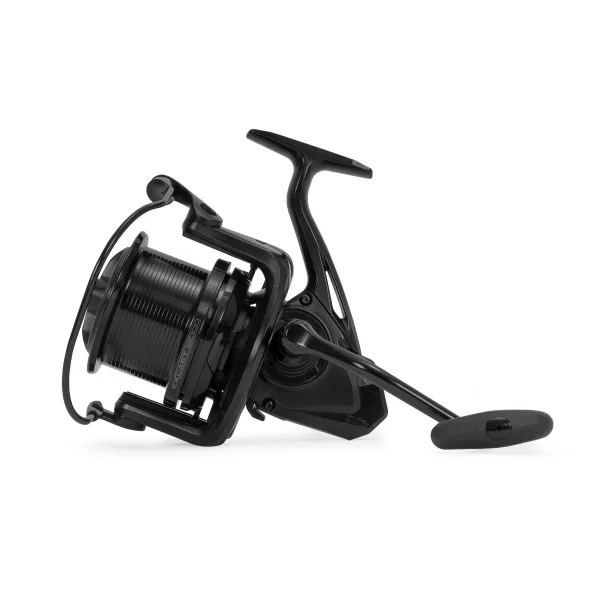
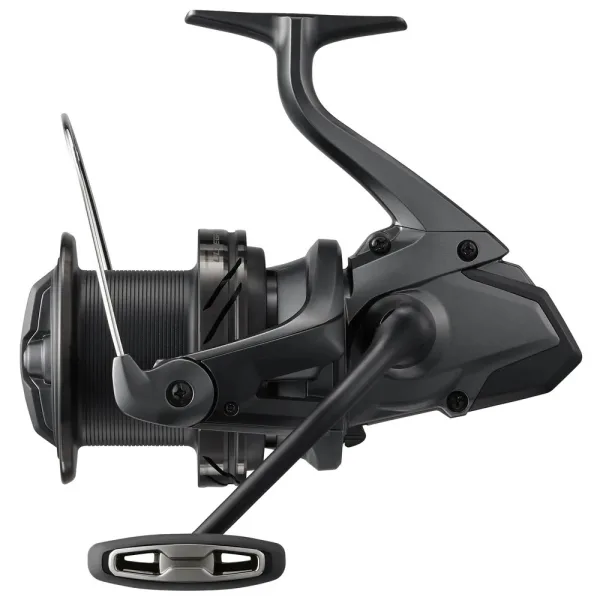
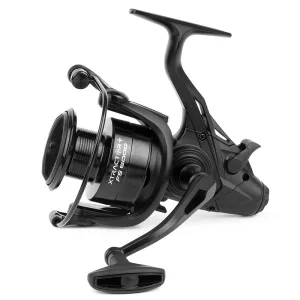
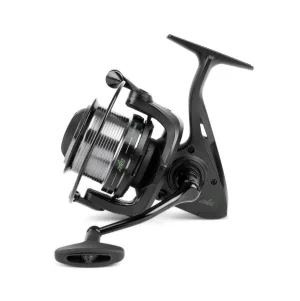
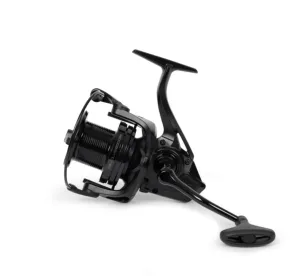
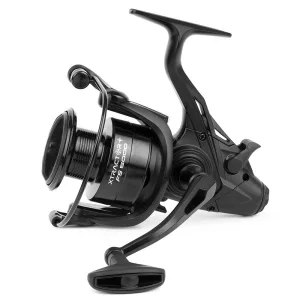
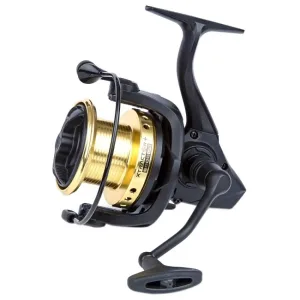
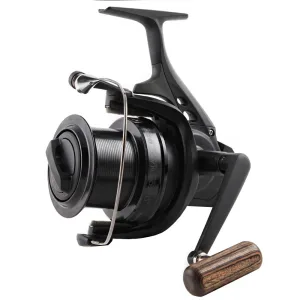
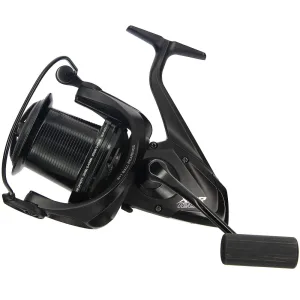
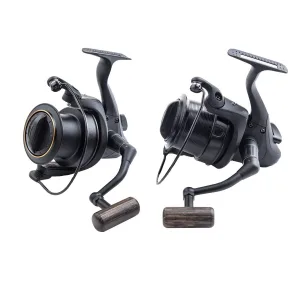
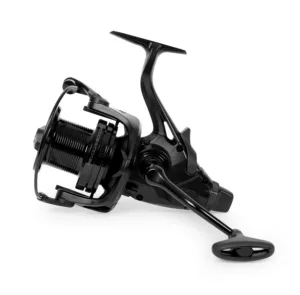
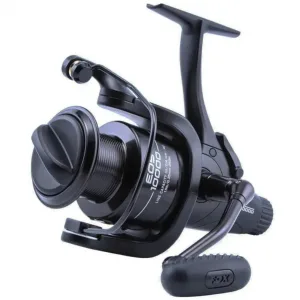
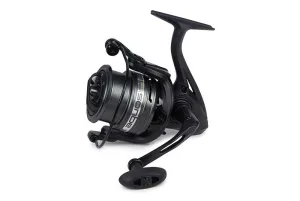
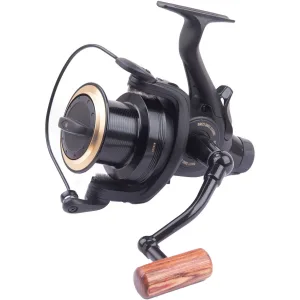
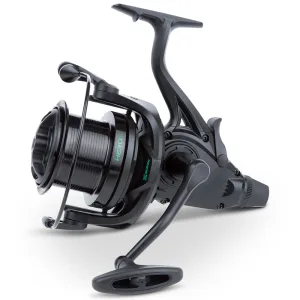
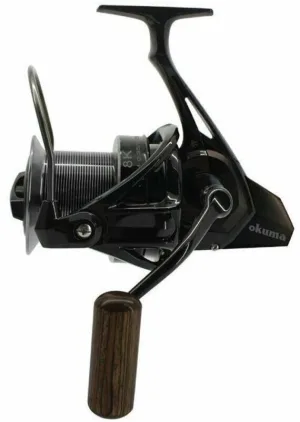
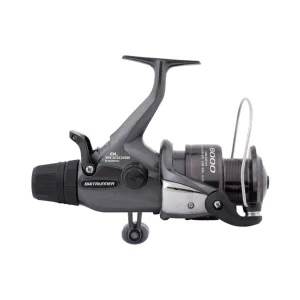
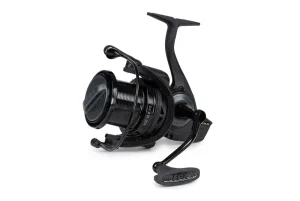
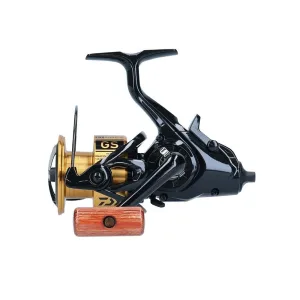
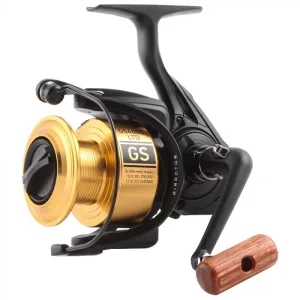
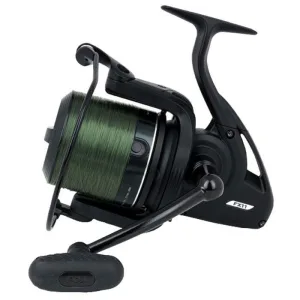
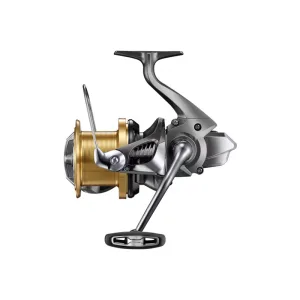
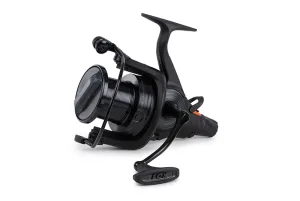
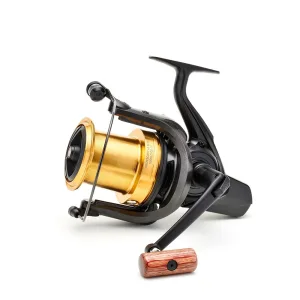
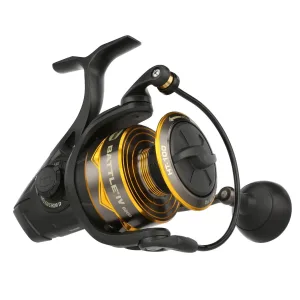
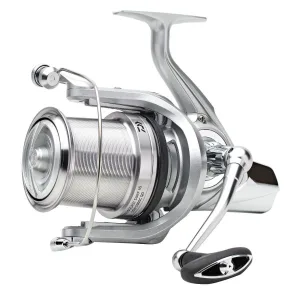
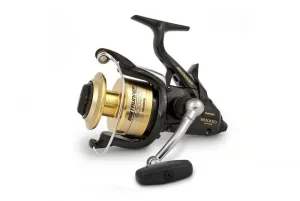
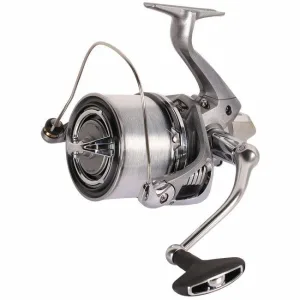
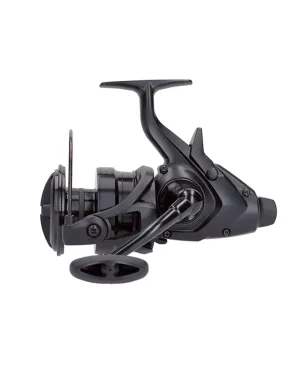
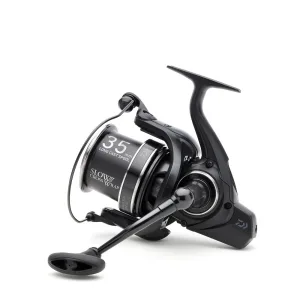
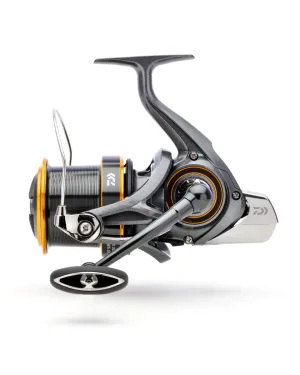
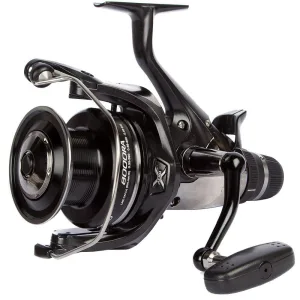
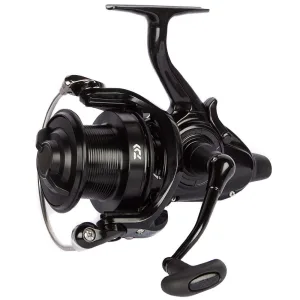
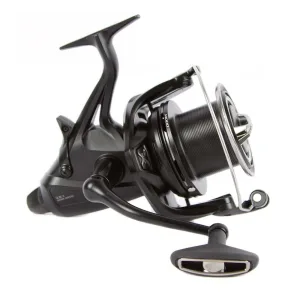
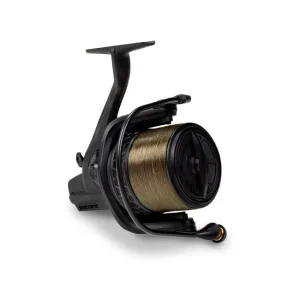
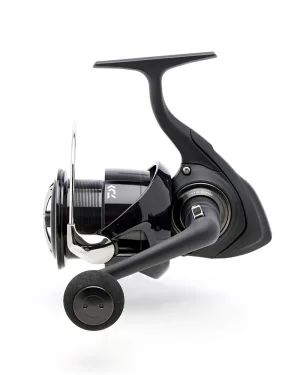
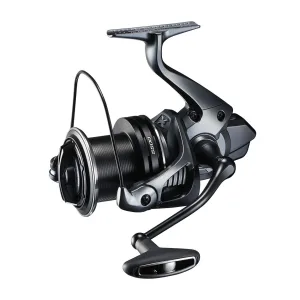
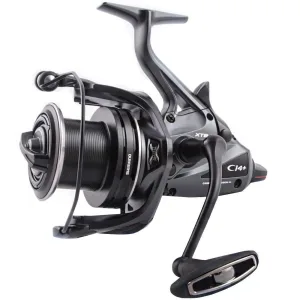
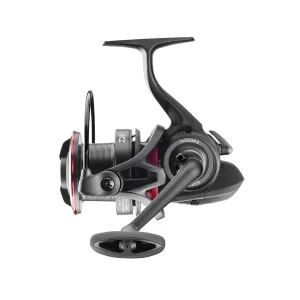
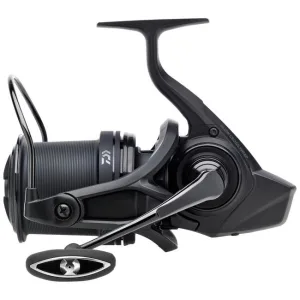
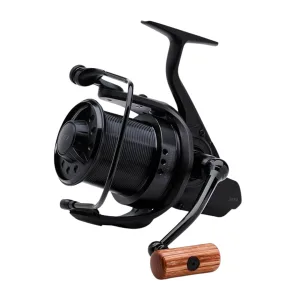
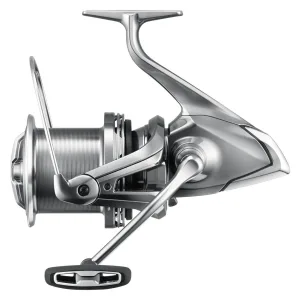
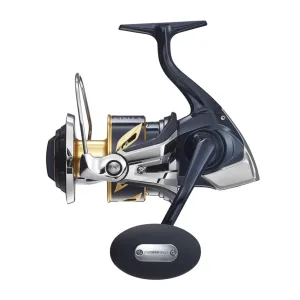
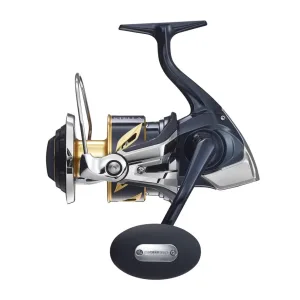
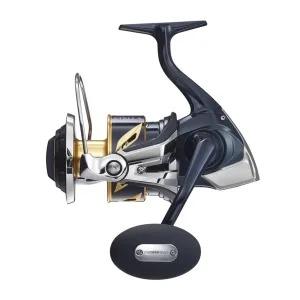
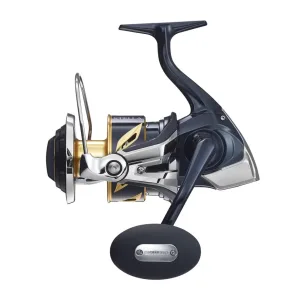
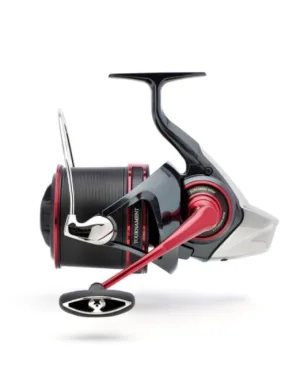
A carp reel has two jobs: lay line so it peels off cleanly on the cast, and give line to a running fish without letting it snap you. Freespool reels let a fish take line on the bite; big-pit reels with a quick-drag front clutch do the same with half a turn of the drag knob. These picks are judged on line lay, drag system, build and price, not on hands-on testing. Prices are per reel.
Compared
What actually matters
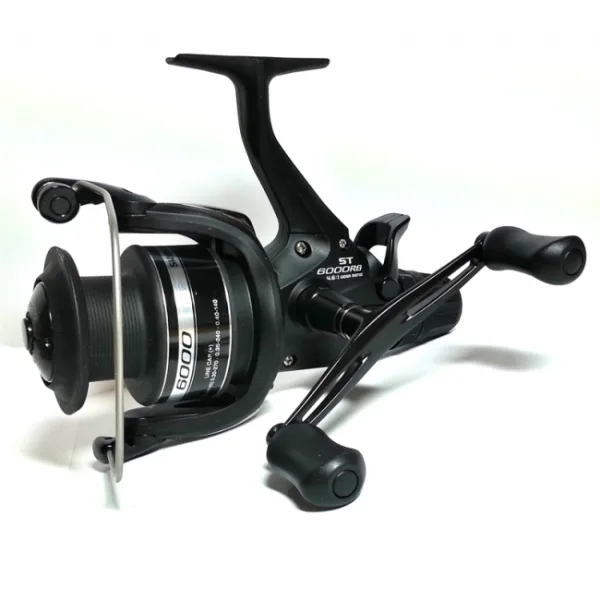
Freespool or big pit. A freespool reel (Shimano's Baitrunner and its copies) has a lever that lets a fish take line on the bite, then engages the main drag when you turn the handle. It's the easiest system to learn. A big-pit reel uses a quick-drag front clutch instead: you back it off to let fish run, then tighten it with half a turn. Big pits carry more line and cast further.
Size. Match the reel to the rod. A 10000–14000 size balances a 12ft, 3lb rod; a 6000 or smaller suits shorter, lighter rods and margin fishing. Bigger spools mean fewer coils, less friction and longer casts.
Line lay. Slow oscillation lays line in neat, flat turns so it peels off without bunching. It matters most with braid and at long range.
Line capacity. 300 m of 12–15lb mono is plenty for most lakes. Big pits holding 400 m or more only earn their keep on large waters or when you boat baits out.
Weight and build. Lighter reels make a three-rod set easier to carry and give a better balanced rod. Aluminium spools and stainless bearings last longer than plastic ones.
Questions
Should I buy a freespool or a big-pit reel?
Freespool reels are simpler for beginners: flick the lever and a fish can take line. Big-pit reels cast further and hold more line, and use a quick front drag instead of a lever.
What size reel for a 12ft carp rod?
A 10000 to 14000 size reel balances a 12ft, 3lb rod. Smaller 6000-size reels suit shorter, lighter rods.
How much line does a carp reel need to hold?
300 m of 12–15lb mono covers most UK lakes. More capacity only matters on big pits or when you boat baits out.
Do I need three identical reels?
It helps. Matching reels balance the same on each rod, take the same spare spools and behave the same when you play a fish.
Is a front drag or rear drag better?
Front drags are usually smoother and stronger, which is why big-pit reels use them. Rear drags are easier to reach and adjust while you play a fish.

 Budget