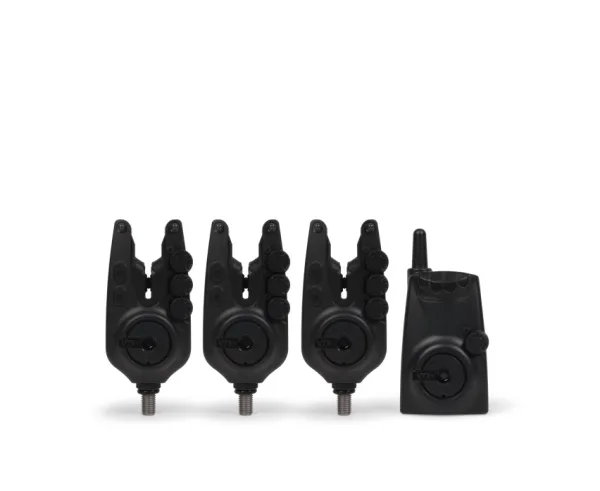
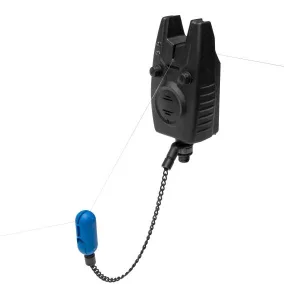
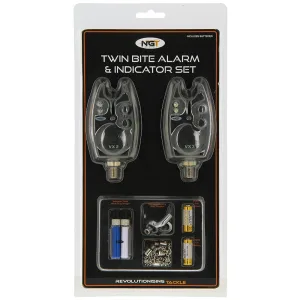
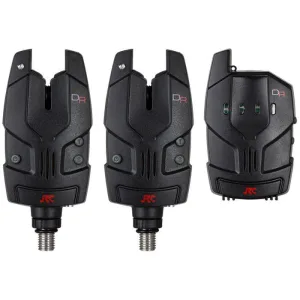
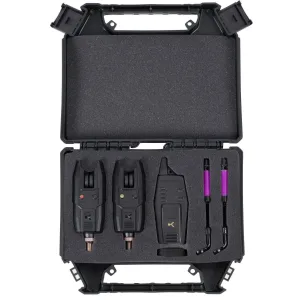
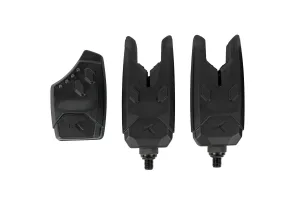
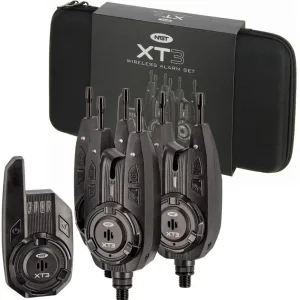
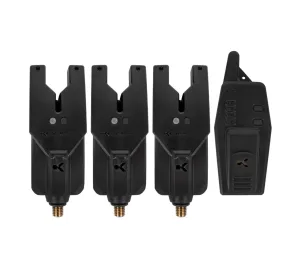
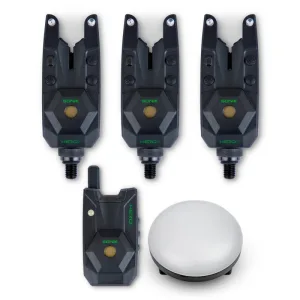
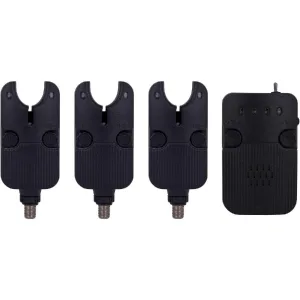
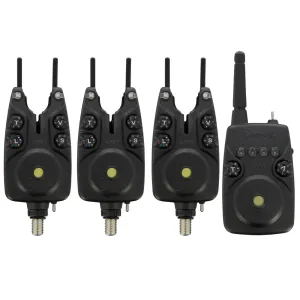
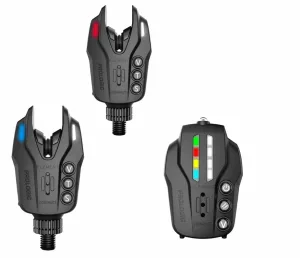
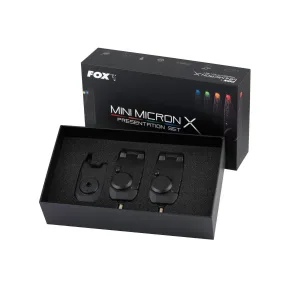
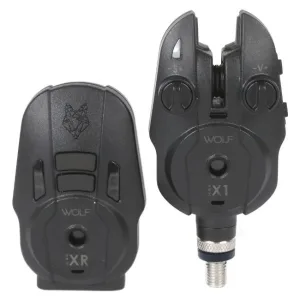
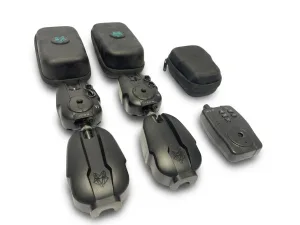
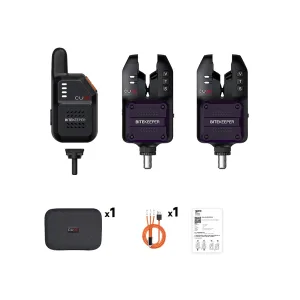
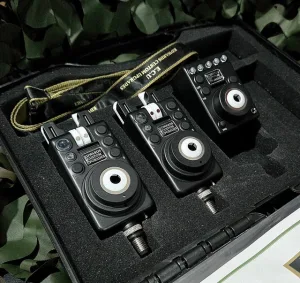
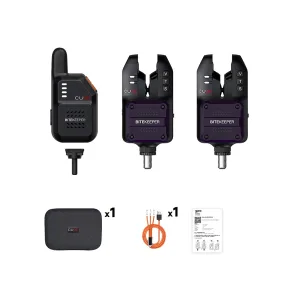
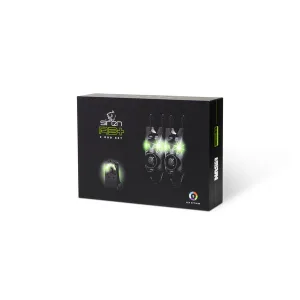
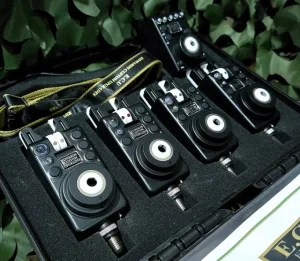
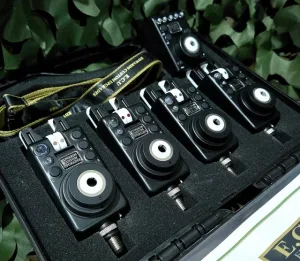
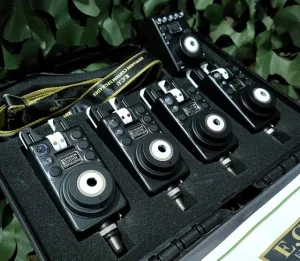
A bite alarm set is one of the first big purchases for most carp anglers, and prices run from under £20 to over £700. A set with a receiver lets you hear and see a take from inside the bivvy, which matters on night sessions. These picks are judged on what each set includes, how it senses line movement and what it costs, not on hands-on testing.
Compared
What actually matters
A receiver is worth having
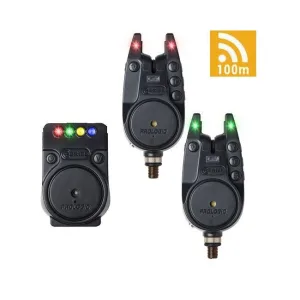
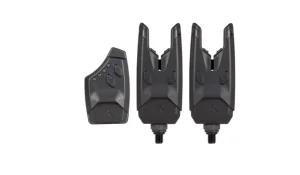
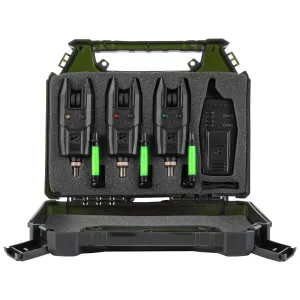
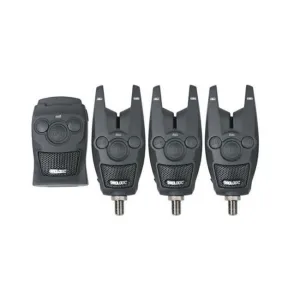
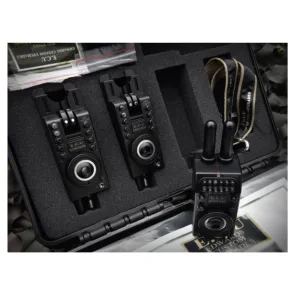
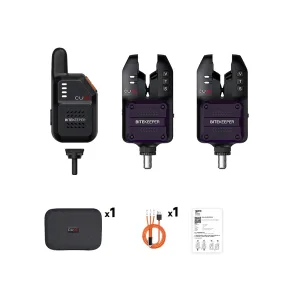
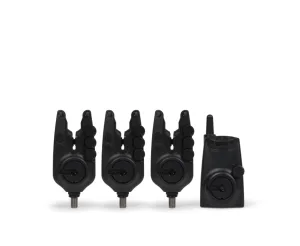
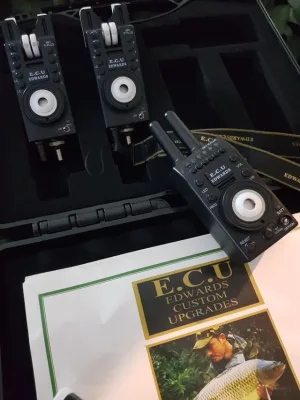
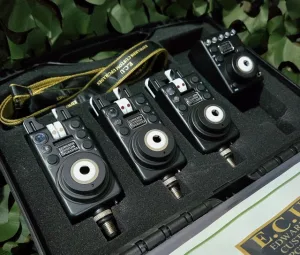
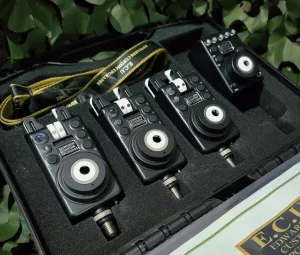
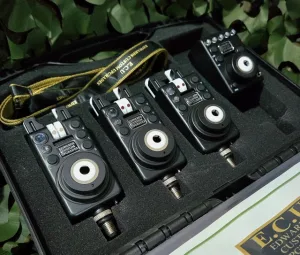
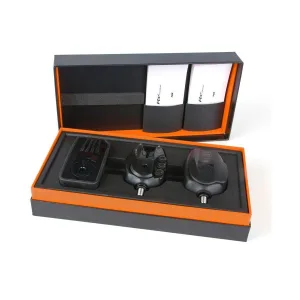
A receiver repeats every bleep and light from your alarms in the bivvy or on your belt. Most sets now include one, and it is the difference between hearing a take at 3am and missing it. If a cheap set has no receiver, budget for one or choose a different set.
Roller wheel or vibration sensing
Most alarms use a roller wheel that turns as the line moves, which is simple and reliable. Vibration sensors, used by Delkim, pick up tiny movements of the line and can give more detail on a slow take. Both work well; what matters more is being able to adjust the sensitivity so wind and undertow don't cause false bleeps.
The settings you will actually use
- Volume and tone, so you can tell your rods apart and keep the noise down on a busy lake.
- Sensitivity, turned down in wind or flowing water.
- Drop-back indication, so you know when a fish swims towards you.
- A night light or LED output for illuminated hangers.
Range and build
A receiver range of 100 to 250 m covers almost any swim. Beyond that, build quality and weatherproofing decide how long a set lasts. Premium alarms are often still working after ten years of use, which is why they hold their value second-hand.
For more on setting alarms up and pairing them with hangers or swingers, see our guide to choosing bite alarms.
Questions
How much should I spend on a first bite alarm set?
A set of three alarms with a receiver for £60 to £100 is enough for most anglers starting out. Spend more when you fish often, at night, or in bad weather, where better sensing, longer range and tougher build start to matter.
Do I need a receiver?
If you ever fish from inside a bivvy or at night, yes. The receiver lets you hear and see which rod is moving without sitting next to the alarms, and many have a silent mode with vibration so you don't disturb other anglers.
Two, three or four rods?
Buy a set for the number of rods you are allowed to fish. On most UK waters that is two or three, and an Environment Agency licence covers up to two rods unless you buy the three-rod version. Many sets let you add a single alarm later.
What is a drop-back?
A drop-back is when a fish swims towards you and the line goes slack rather than pulling away. Good alarms give a different tone or light for a drop-back so you can tell it apart from a run.
Are expensive alarms more sensitive?
Not always. Most alarms can be set very sensitive. What you get for more money is finer control over sensitivity, fewer false bleeps in wind and undertow, longer receiver range and better weatherproofing.

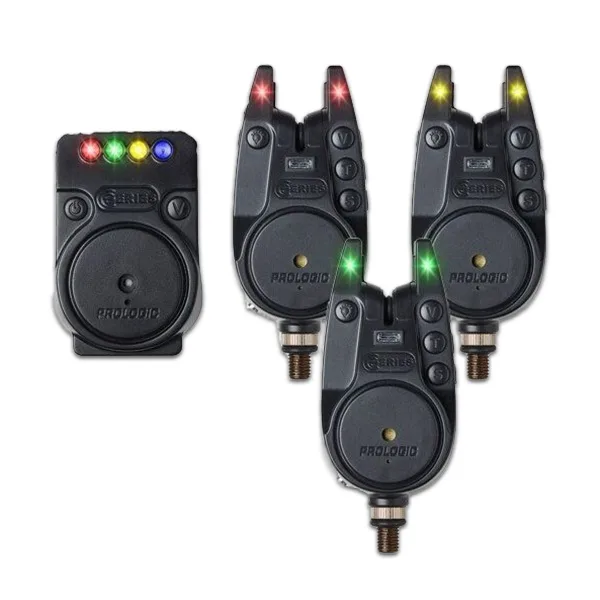 Budget