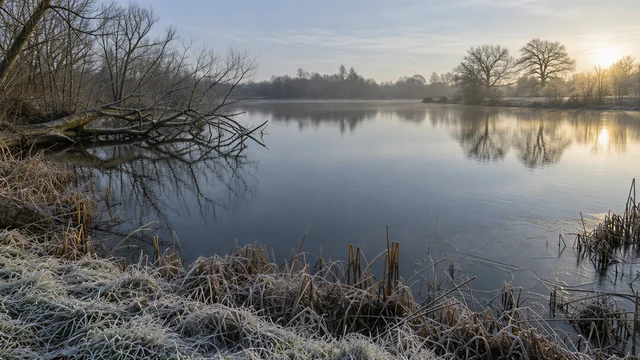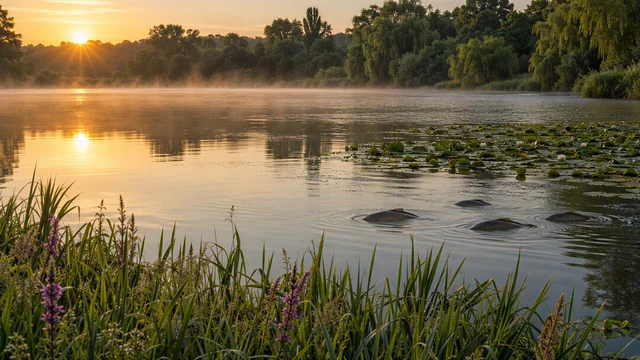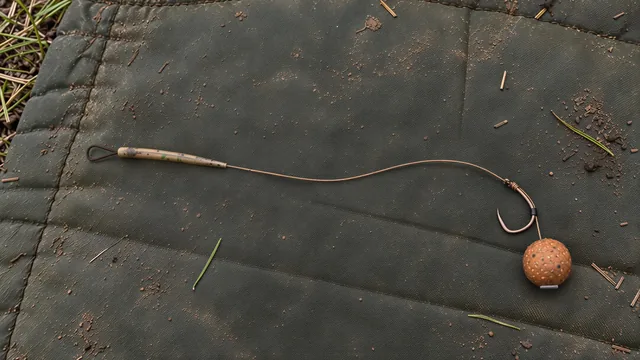
In spring, fish the warmest, shallowest water with small amounts of bait as carp wake up. Leave spawning fish alone. In autumn, carp often feed hard before winter, so bait more and fish areas they visit as the water cools.
Two seasons of change
Spring and autumn sit between the extremes. In spring the water is warming, and carp go from barely feeding to feeding hard. In autumn it's cooling, and carp often feed heavily before winter slows them down.
Both seasons are about following the change. The tactics that work in early spring are close to winter tactics, and by late spring you're fishing summer style. Autumn runs the same path in reverse.
Spring: carp waking up
Carp come out of winter hungry but slow. Their activity follows the water temperature, not the calendar, so a cold April can fish like February while a mild March can be excellent.
Find the warm water
- Shallows and bays warm up first on sunny days. Carp often move into them by the afternoon.
- Margins near reeds or snags give cover and warm quickly.
- The bank a mild wind blows into. A warm south-westerly after a cold spell is often the trigger. A cold northerly or easterly can push fish the other way.
A simple water thermometer tells you which areas are warmer. A degree or two can make a real difference.
Bait little and often
Early on, use small amounts: a single bright hookbait, a PVA bag or a small scattering of freebies. As the weeks go on and the water warms, build the amount up. Watch for signs that fish are clearing the bait before you increase it.
The spawning break
Once the water has warmed up and stayed warm, usually in late spring or early summer, carp spawn. You'll see them crashing about in the shallows and weed, often in groups, and they ignore food.
- Leave spawning fish alone. They're stressed, can be easily damaged and won't feed anyway.
- Many fisheries close or rest for a week or two while fish spawn. Check before you travel.
- After spawning, carp are often tired and thin for a while, then feed hard to recover.
In England, the coarse fishing close season runs from 15 March to 15 June on rivers, streams and drains. Most stillwaters have no statutory close season, but many fisheries and clubs set their own rules, including closures during spawning. Wales and Scotland have their own rules. Always check before you fish.
Autumn: the feed before winter
As the water starts to cool from its summer peak, carp often feed hard. Many anglers rate autumn as the best time of year for big fish, which have put on weight through the summer.
What changes
- Weed dies back, opening up areas that were unfishable in summer. Spots that were choked can become clear and productive.
- Falling leaves can carpet the bottom near trees. Pop-ups or a chod rig keep the bait visible.
- Windy, mild days are often good. Big low-pressure systems bring wind and rain that can trigger feeding.
- Days shorten, so feeding spells move. Many lakes produce more fish in the dark as autumn goes on.
Bait in autumn
Early autumn is a good time to bait more heavily, especially with boilies, which carp can find and eat in quantity. As the water cools into late autumn, scale back towards winter amounts. See the carp bait guide for the main types.
Spring and autumn compared
| Spring | Autumn | |
|---|---|---|
| Water | Warming | Cooling |
| Carp | Waking up, feeding more each week | Feeding hard, then slowing down |
| Where | Warm shallows, bays, sunny margins | Areas freed from weed, deeper water later on |
| Bait | Start small, build up | Bait well early, scale back later |
| Watch for | Spawning: leave fish alone | Leaves on the bottom, cold snaps |
Planning a session in either season
- Check the forecast for temperature trends and wind direction over the past few days, not just the day itself.
- Check the fishery rules, especially in spring when it may be closed for spawning.
- Walk the lake first and look for fish. In spring look in the shallows; in autumn look at areas where weed has died back.
- Match the bait to the water temperature: less when it's cold, more when it's mild and carp are clearly feeding.
- Keep an eye on the month-by-month calendar as a rough guide to what carp are likely to be doing.
In both seasons, the trend matters more than the day. Three mild days in a row in March can fish better than one warm day in May after a cold week.
Questions
When do carp spawn in the UK?
Usually in late spring or early summer, once the water has warmed and stayed warm, often around May or June. It varies from lake to lake and year to year with the weather.
Should I fish for spawning carp?
No. Carp that are spawning won't feed and can be stressed and easily damaged. Many fisheries close or rest for a week or two while fish spawn. If you see fish spawning, leave them alone or fish elsewhere.
Is there a close season for carp fishing?
In England the coarse fishing close season runs from 15 March to 15 June on rivers, streams and drains. Most stillwaters have no statutory close season, but some fisheries and clubs set their own rules, so check before you go. Wales and Scotland have their own rules.
Where do carp go in early spring?
Often to the warmest water: shallow areas, bays catching the sun and wind, and margins near snags or reeds. A few mild days in a row can warm the shallows enough to bring fish in.
Why is autumn a good time for carp?
As the water starts to cool, carp often feed heavily to put on weight before winter. Weed starts to die back, making more of the lake fishable, and big fish are often caught in autumn.