Pack a flat method feeder with damp groundbait or micro pellets, press a short hooklink and hookbait into the top, and cast to the same spot every few minutes. Carp feeding on the pile find the hookbait almost straight away and hook themselves against the feeder's weight.
Why the method feeder catches so many carp
The method feeder is a small, weighted frame that you pack with damp groundbait or pellets. Your short hooklink and hookbait sit pressed into the top of that bait. When it lands, the bait slowly breaks away and leaves your hookbait sitting right in the middle of a small pile of food.
Carp on busy commercial lakes are used to eating pellets and groundbait. They home in on the pile, find the hookbait almost straight away, and the weight of the feeder sets the hook when they move off. It's simple, accurate and very effective, which is why it's often the first carp method anglers learn.
Items required
- A 10 to 12 ft feeder rod and a reel loaded with 6 to 8 lb mono
- Flat method feeders of 20 to 40 g, and a matching mould
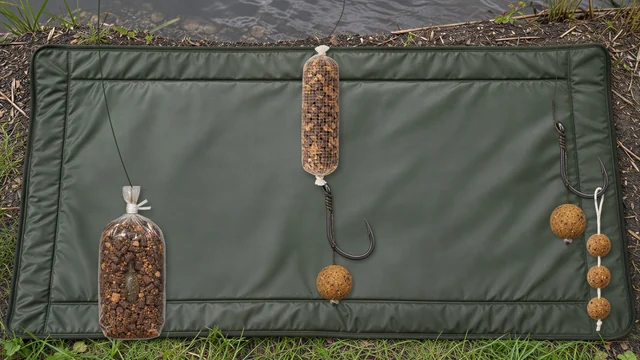
- Short hair-rigged hooklinks, about 10 cm, with a size 12 to 16 hook
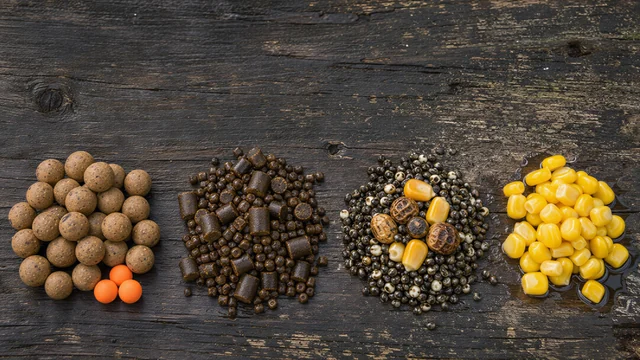
- Method micro pellets (2 mm) or method groundbait
- Hookbaits: 6 to 8 mm pellets, wafters, corn or mini boilies
- A landing net, unhooking mat and the fishery's own required kit
How to set it up
- Thread the main line through the feeder's centre tube, then tie on a quick-change bead or swivel that sits inside the feeder's nose.
- Clip or tie your hooklink to the swivel. Keep it short: 7 to 12 cm is typical.
- Dampen your micro pellets with lake water: add water, leave for a few minutes, then drain. They should stick together when squeezed but not be soggy.
- Put the hookbait in the empty mould, lay the hooklink across it, fill the mould with pellets and press the feeder down into it.
- Pop the loaded feeder out. The hookbait should be sitting on top of the bait.
Your pellets are right if a squeezed ball holds together in the air but crumbles as soon as it hits the water. Too wet and the bait won't break down; too dry and it falls off when you cast.
How to fish it
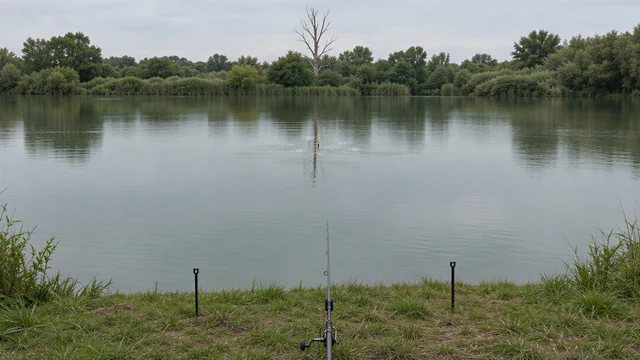
Accuracy is everything. Pick a spot, often a few rod lengths short of an island or the far bank, put the line in the line clip, and use a far-bank marker so every cast lands in the same place.
- Cast every three to five minutes at first, to build a small bed of bait in one spot.
- Once you see signs of fish, such as liners, fizzing or the tip knocking, leave it longer between casts.
- Hold the rod or set it on a rest pointed at the feeder with a slack line. Bites are usually unmistakable: the tip wraps right round.
Hookbaits
| Bait | When |
|---|---|
| Pellet (6–8 mm) | Matches the feed. A good default on most commercials |
| Wafter | Balanced to sink slowly, so it's easy for a carp to suck in. Bright colours stand out in coloured water |
| Corn | A bright change when pellets stop working |
| Mini boilie | Where small fish keep stealing soft baits |
Common mistakes
Spreading the bait about
Casting to a different spot each time spreads the bait out and the carp drift with it. Use the line clip every time.
Hooklink too long
A long hooklink lets a carp take the bait without feeling the feeder, which means missed bites. Shorten it.
Too much bait in winter
In cold water, use a smaller feeder, less bait and cast less often. See winter carp.
Use an in-line method feeder that lets a fish shed it if the line breaks. Most commercial fisheries set rules on hook sizes, barbless hooks, pellet types and line strength, so check before you set up. Always land carp in a big enough net and unhook them on a mat: see carp care.
Questions
How long should a method feeder hooklink be?
Short: around 7 to 12 cm is typical. A short link keeps the hookbait close to the bait on the feeder and means a carp feels the weight quickly, so it hooks itself.
How often should I recast a method feeder?
Every few minutes at first to build a bed of bait in one spot, then less often once fish start to show interest. Always cast to the same place using a line clip and a far-bank marker.
What bait goes on a method feeder?
Damp micro pellets or method groundbait packed around the feeder, with a small pellet, wafter, corn or mini boilie as the hookbait. Commercial lakes often have rules about which pellets you can use, so check first.
Do I use a method feeder in winter?
Yes, but scale down. Use less bait on the feeder, smaller and brighter hookbaits, and cast less often. A small feeder with a highly attractive mix can still catch well in cold water.
Is the method feeder safe for fish?
Use an in-line feeder that lets a fish shed it if the main line breaks, as most modern flat feeders do. Check the feeder runs freely on your line and follow your fishery's rules on feeder types.